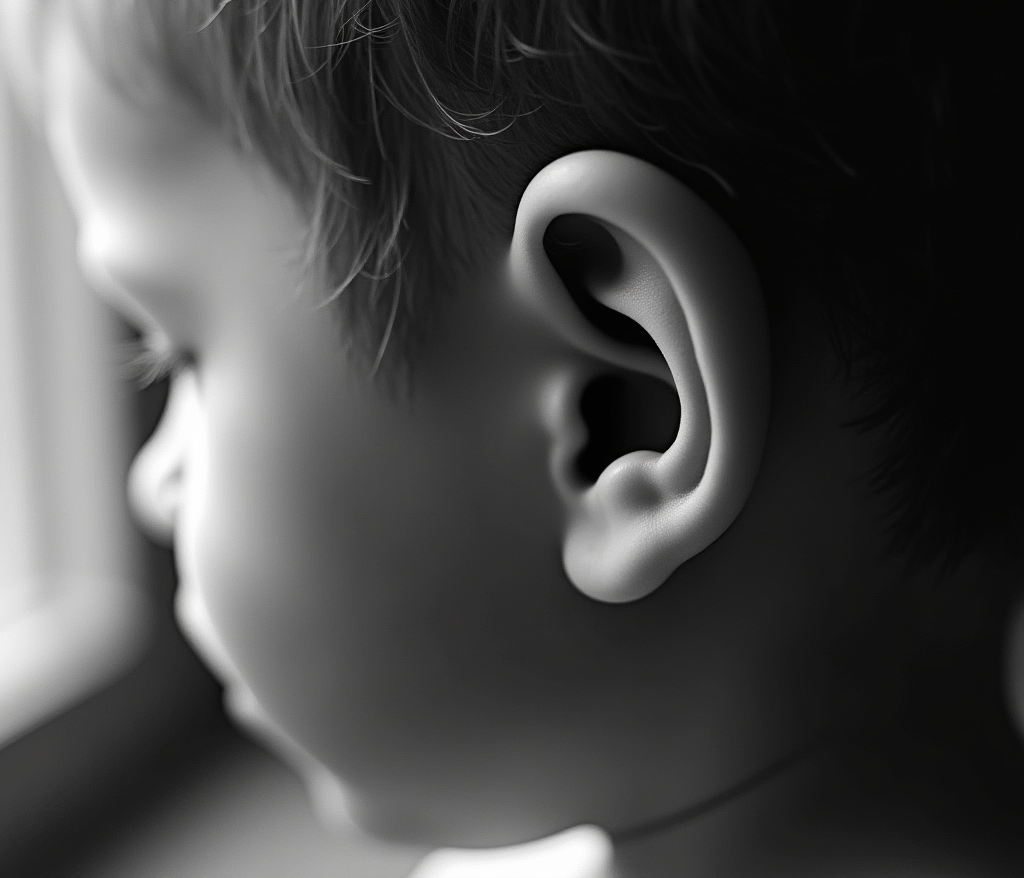
What is Childhood Hearing Loss?
A Message for Parents
As parents, we all want the best for our children. We know that what happens to them in childhood — the love they receive, the challenges they face, the support they get — shapes who they become as adults.
We tend to focus on what’s visible: milestones, grades, behavior, success, and struggles. But sometimes, the most impactful challenges are the ones we can’t see clearly, especially in the early years.
Childhood Hearing Loss is one of those invisible forces.
It’s more than a medical diagnosis. It’s more than audiograms and devices. Childhood hearing loss touches every corner of a child’s development — not just how they hear, but how they connect, learn, relate, and feel.
Hearing Loss: What You Don’t See Matters
Hearing loss in children is often misunderstood. With technology and interventions like hearing aids or cochlear implants, it may seem like the issue is “fixed.” But even with great tools, there are still gaps — missed words, misheard emotions, social confusion, and emotional fatigue from trying to keep up.
Here’s what can happen when a child’s hearing loss isn’t fully recognized and supported — emotionally as well as medically:
- They may struggle to connect with peers or follow fast-paced conversations.
- They may miss emotional cues, feeling left out or confused.
- They may feel “different” but not know how to explain it.
- They might work harder than anyone realizes, just to stay engaged — and come home tired or frustrated.
These are not just hearing issues. These are emotional and developmental challenges that need compassion, structure, and consistent support.
Why It Matters for Parents
As a parent, you play the most important role in your child’s journey. But childhood hearing loss doesn’t always come with clear instructions. It’s possible to miss the deeper impact, even when you’re doing everything right on the surface.
Some children with hearing loss:
- Seem quiet or withdrawn, but are really just struggling to keep up
- Appear to be “fine,” but are masking their confusion or loneliness
- Develop strong coping skills but carry emotional exhaustion underneath
And later, as teens or adults, they may feel:
- Disconnected, even in social settings
- Unsure of their place in the world
- Like something’s “off,” but they can’t name what it is
Too often, these kids blame themselves — not realizing that their experiences of missed connection or emotional misattunement were not their fault.
Your Awareness Makes the Difference
Hearing loss is not just about hearing. It’s about belonging, communication, and emotional validation. When we, as parents, understand that — and advocate for our kids in both practical and emotional ways — we open doors that technology alone can’t.
You can support your child by:
- Creating safe space to talk about feelings of frustration, confusion, or difference
- Working closely with educators and specialists to ensure your child’s emotional and social needs are met
- Validating their experiences, even the invisible ones, so they don’t feel alone
The goal is not just to help your child hear, but to help them feel heard.
Final Thoughts
Childhood hearing loss doesn’t just shape how your child hears — it shapes how they see themselves. But with your awareness, love, and advocacy, they can grow up feeling connected, confident, and whole.
You are your child’s most important ally. And the more you understand the emotional landscape of hearing loss, the better equipped you are to guide them — not just through the silence, but into a life full of meaning, connection, and self-worth.