Newborn Hearing Tests: A Complete Guide for Parents

When a new baby arrives, every parent wants reassurance that their child is healthy and thriving. That’s why hospitals perform a series of screenings in the first days of life, including a newborn hearing test. It’s quick, gentle, and one of the most important tools doctors use to check your baby’s development from the very beginning.
Why Is Hearing Screening So Important?
- Hearing is the foundation of language. Babies begin learning the patterns of speech within their first months of life, even before they can make sounds themselves.
- Early detection means early support. Research shows that babies with hearing loss who get help before 6 months old have much stronger speech and language skills compared to those diagnosed later.
- Hearing loss isn’t always obvious. Even if a baby responds to loud noises, they could still miss softer sounds or parts of speech. The screening helps catch what parents might not notice yet.
When and Where Does the Test Happen?
- In the hospital: Most newborns are screened before going home, usually within the first 24–48 hours.
- After a home birth: Pediatricians recommend scheduling the test within the first month of life.
- Follow-up checks: If your baby doesn’t pass the first screening, a second test is usually scheduled within a few weeks.
The goal is to have hearing loss identified (if present) by 3 months old and interventions in place by 6 months old.
How Do Newborn Hearing Tests Work?
The screening is designed to be as stress-free as possible. Babies are often tested while sleeping or calmly resting in their crib.
There are two main methods:
1. Otoacoustic Emissions (OAE)
- A tiny earphone and microphone are placed in the baby’s ear.
- Soft sounds are played, and the microphone checks for an “echo” from the inner ear (the cochlea).
- If the cochlea is working properly, it produces this echo. If not, the response may be weak or absent.
2. Automated Auditory Brainstem Response (AABR)
- Soft earphones play gentle clicking sounds.
- Small sensors are placed on the baby’s head to measure how the brainstem reacts to the sounds.
- This test checks whether sound signals are traveling along the auditory nerve to the brain.
Both tests are:
- Safe and non-invasive – nothing painful or harmful.
- Fast – typically 5–10 minutes.
- Reliable – accurate enough to detect even mild hearing concerns.
Understanding the Results
- Pass: Your baby responded normally during the screening. This is great news, but it doesn’t rule out hearing loss later in childhood. That’s why regular developmental checkups are still important.
- Did Not Pass (Refer): Your baby needs another screening. This doesn’t mean they have hearing loss. Common temporary reasons include:
- Fluid in the ear after birth
- Vernix (a protective newborn coating) in the ear canal
- Baby moving or fussing during the test
- Background noise in the room
What Happens If My Baby Doesn’t Pass Twice?
If the second screening still shows concern, your baby will be referred to a pediatric audiologist. This specialist can:
- Perform a more detailed hearing test
- Identify the type and level of hearing loss (if present)
- Discuss next steps for treatment or support
Possible Next Steps if Hearing Loss Is Confirmed
Hearing loss can range from mild to profound, and treatment depends on the cause and degree. Options may include:
- Medical treatment – if the cause is temporary (like fluid or infection).
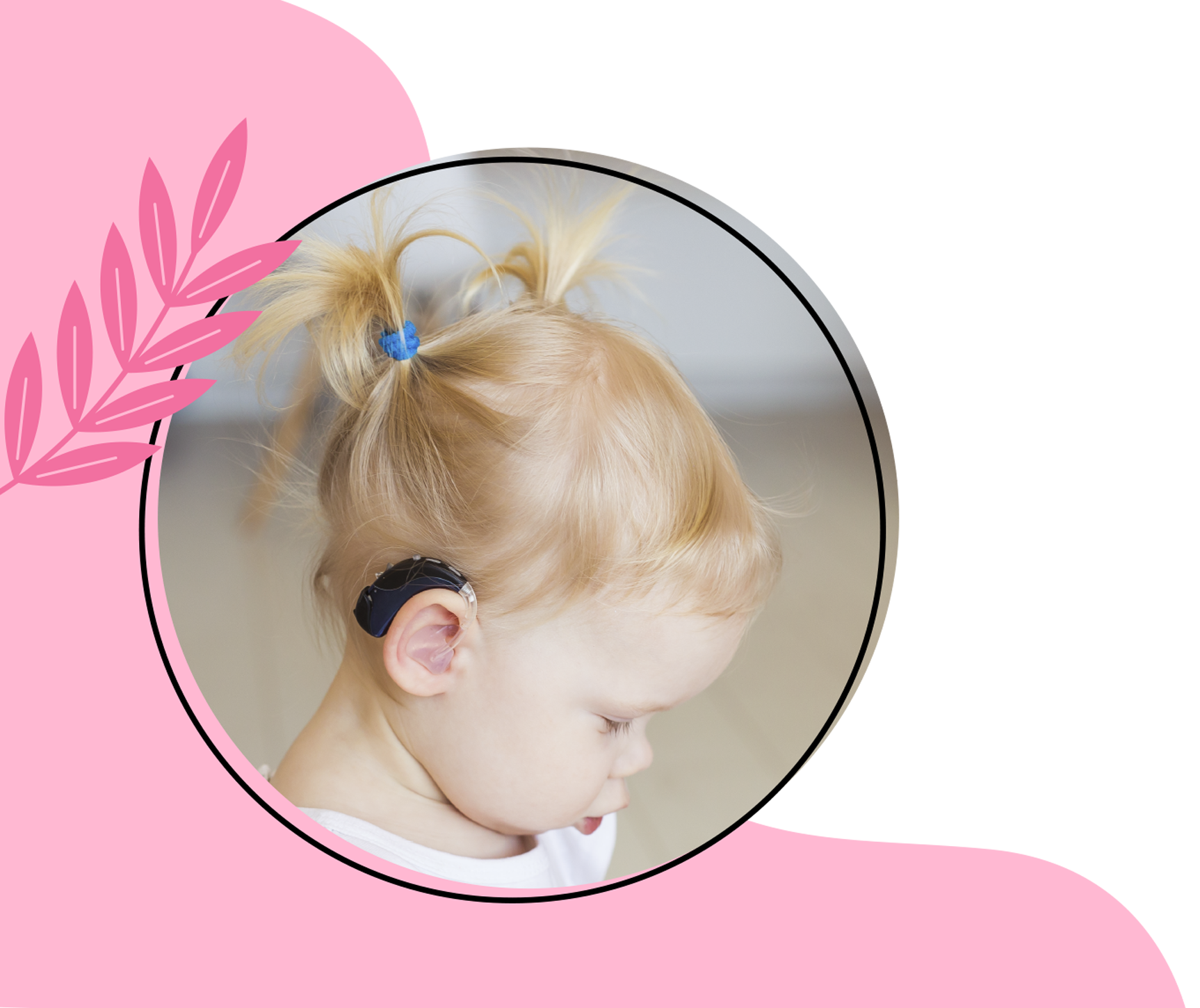
- Hearing aids – for babies with mild to severe hearing loss.
- Cochlear implants – for babies with profound hearing loss who don’t benefit from hearing aids.
- Early intervention programs – speech therapy, sign language exposure, or family support services to help language development.
Quick Facts for Parents
- About 1–2 out of every 1,000 babies are born with permanent hearing loss.
- Newborn hearing screening is routine in the U.S. and many other countries.
- Babies who receive help before 6 months old often develop language skills close to those of hearing children.
- Skipping follow-up tests is the most common reason children with hearing loss are diagnosed late.
Frequently Asked Questions (FAQ)
Will my baby be uncomfortable during the test?
No. The test is completely safe and painless. Most babies sleep right through it.
What if hearing loss runs in my family?
Family history can increase the chance of hearing loss, but the screening will help identify any issues early. Let your doctor know if hearing loss runs in your family.
Can my baby pass the test and still develop hearing loss later?
Yes. Some children develop hearing loss later due to illness, frequent ear infections, or genetic conditions. That’s why ongoing hearing and speech checks during well-child visits are important.
What if my baby fails the test—does that mean they’re deaf?
Not necessarily. Many babies who don’t pass the first screening have normal hearing on repeat tests. If hearing loss is confirmed, there are many tools and therapies to help your child thrive.
Can children with hearing loss still learn to talk?
Absolutely. With early support—such as hearing aids, cochlear implants, or speech therapy—many children with hearing loss learn to talk and communicate effectively. Some families also choose to introduce sign language, which supports language development.
What should I do if I’m worried about my baby’s hearing after we go home?
Trust your instincts. If your baby isn’t startled by loud sounds, doesn’t turn toward your voice, or doesn’t begin babbling by 6 months, talk to your pediatrician.
Final Reassurance for Parents
It’s normal to feel worried if your baby doesn’t pass the first hearing test—but remember, most babies who need a repeat test have perfectly normal hearing. The important thing is to follow up promptly. If your child does have hearing loss, catching it early opens the door to incredible tools and therapies that help children thrive.
The newborn hearing test is one of the simplest, most important gifts you can give your baby—a strong start on the path to learning, connection, and communication.