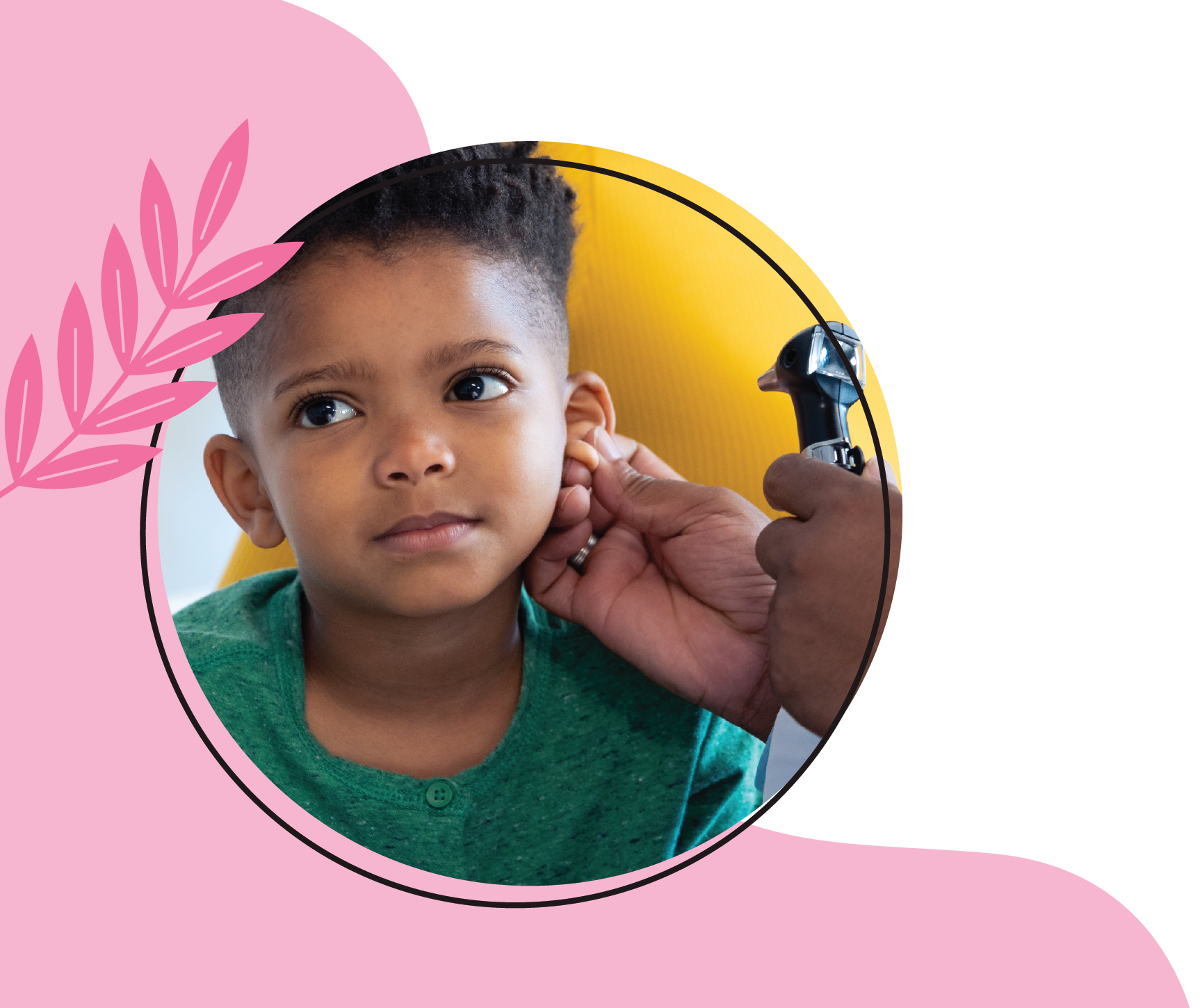
Auditory-Verbal Therapy (AVT): Helping Children with Hearing Loss
Thrive in Spoken Language

For children with hearing loss, developing spoken language can be challenging—but not impossible. Auditory-Verbal Therapy (AVT) is a specialized approach that focuses on helping children learn to listen and speak using their residual hearing, often supported by hearing aids or cochlear implants. Unlike other methods that rely on lip reading or sign language, AVT emphasizes listening as the primary pathway to language development.
How AVT Works
AVT is a structured, parent-centered therapy. Certified therapists guide parents and caregivers to use everyday routines—play, mealtime, reading, and conversations—to encourage listening and spoken language. By embedding listening opportunities into daily life, children gradually learn to recognize sounds, understand speech, and express themselves verbally.
Key Benefits of AVT
- Improved Speech and Language Skills
Children in AVT programs often develop age-appropriate speech and language abilities, helping them communicate more effectively with family, peers, and teachers. - Early Intervention Advantages
Research shows that the earlier children begin AVT, the better the outcomes. Early therapy leverages critical periods in brain development, giving children a strong foundation for language learning. - Enhanced Listening Skills
AVT helps children tune into sounds in everyday environments, from conversations at home to classroom settings, fostering auditory processing and attention. - Boosted Confidence and Independence
As children develop verbal communication skills, they gain confidence, social skills, and independence—key factors for academic success and emotional well-being. - Parent Empowerment
Parents are integral to AVT. Therapists provide guidance and coaching so families can reinforce listening and speaking skills at home, creating a supportive, consistent learning environment.
Conclusion
Auditory-Verbal Therapy offers a proven, evidence-based pathway for children with hearing loss to thrive in spoken language. By focusing on listening, early intervention, and active parent involvement, AVT equips children with the communication skills they need to succeed in school, social interactions, and life.