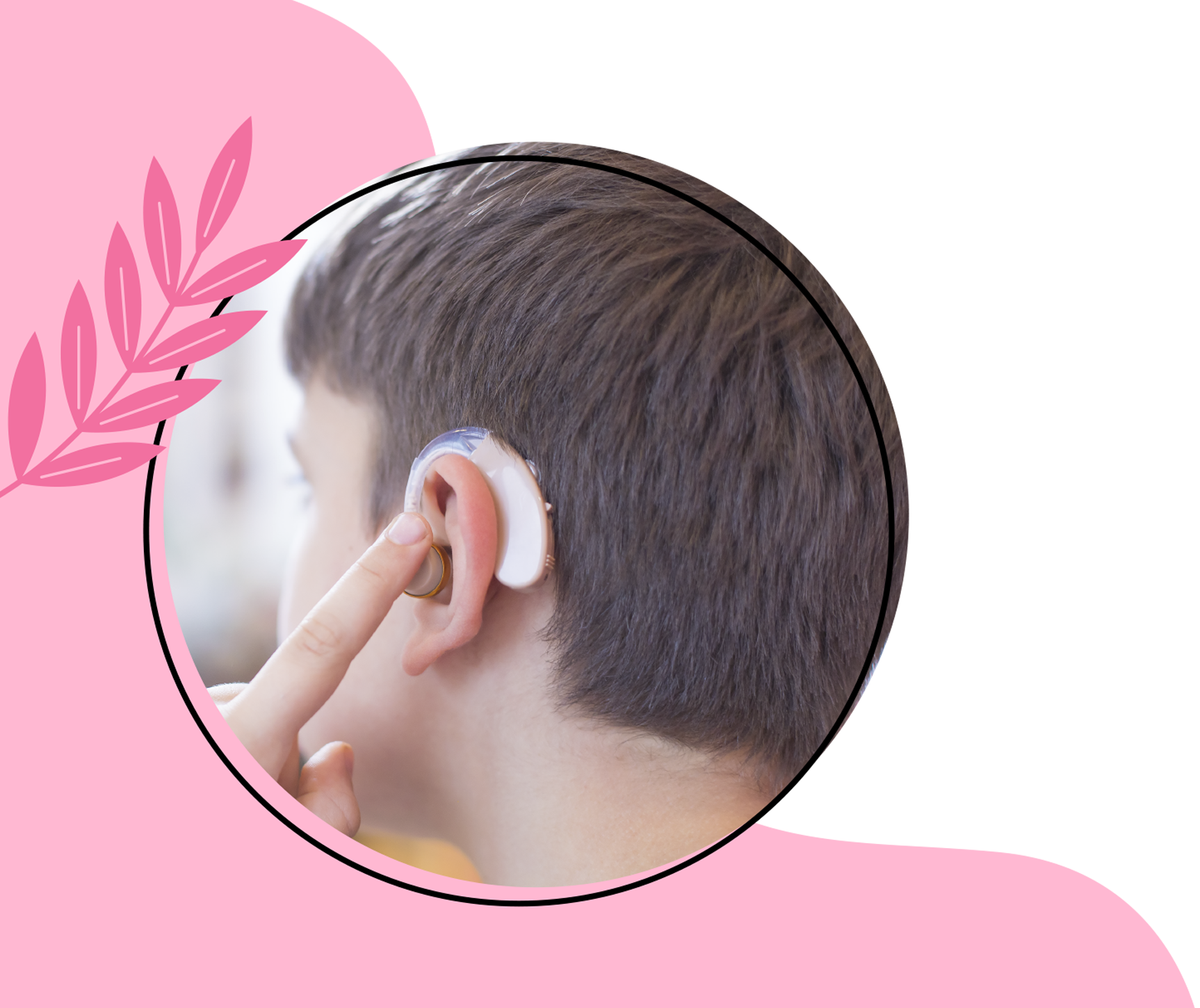
Hearing Aid vs. Cochlear Implant: What’s the Difference?

When someone experiences hearing loss, two common treatment options are hearing aids and cochlear implants. While both are designed to help people hear better, they work in very different ways and are intended for different types and severities of hearing loss.
1. What Is a Hearing Aid?
A hearing aid is an electronic device worn in or behind the ear that amplifies sound. It helps people with mild to moderate hearing loss by making sounds louder and clearer.
How it works:
- A microphone picks up sound from the environment.
- The sound is amplified (made louder).
- The amplified sound is sent into the ear canal, where it travels through the normal hearing pathway (including the ear drum and middle ear).
Hearing aids are non-surgical and can be removed at any time. They are customizable, and modern versions come with features like Bluetooth connectivity and background noise reduction.
2. What Is a Cochlear Implant?
A cochlear implant is a surgically implanted medical device used for people with severe to profound hearing loss who get little or no benefit from hearing aids.
How it works:
- A microphone on the external sound processor captures sound.
- Sound is converted into digital signals and sent to a receiver implanted under the skin.
- The signal is then transmitted to electrodes placed inside the cochlea (inner ear), which directly stimulate the auditory nerve, bypassing damaged parts of the ear.
Cochlear implants do not amplify sound — they replace the function of damaged inner ear hair cells by sending electrical signals directly to the brain.
3. Key Differences
FEATURE
How it works
Best for
Surgical?
Removable?
Cost & Insurance
Sound Quality
HEARING AID
Amplifies sound
Mild to moderate hearing loss
No
Yes
Generally, less expensive
Sounds are made louder through the normal ear
COCHLEAR IMPLANT
Sends signals directly to the auditory nerve
Severe to profound hearing loss
Yes
External part is removable; internal part is implanted
More costly, often covered by insurance or assistance programs
Sound is perceived differently (electrical stimulation)
4. Who Decides Which One Is Right?
An audiologist or ENT specialist evaluates the type and degree of hearing loss and considers factors like speech understanding, overall health, and age. If hearing aids no longer provide enough benefit, cochlear implants may be considered.
5. Conclusion
While both devices aim to improve hearing, hearing aids and cochlear implants are not interchangeable. One amplifies sound through the existing auditory system, while the other bypasses damaged structures entirely to deliver sound to the brain.
Understanding the differences can empower individuals and families to make informed decisions about hearing care and treatment options.